The desire gap is normal: talking about different sex drives without pressure
Wanting sex at different times is not proof that one person is demanding or the other is broken. I would begin by separating desire from obligation, then build a wider menu of connection that both people can genuinely choose.


Abigail's quick take
“Different levels of desire become more workable when both partners can name wants and limits without turning either into an obligation.”
- Best for
- Couples who keep missing each other around timing, initiation, frequency or the kind of closeness they want.
- Keep in mind
- Responsive desire never overrides a no, and a toy should add a mutually chosen option rather than solve the disagreement.
A difference in desire is not a verdict on the relationship
Desire discrepancy means partners want sexual activity at different levels, frequencies or times. It is common, and the higher-desire person is not automatically unreasonable while the lower-desire person is not automatically withholding. The problem usually grows when the difference becomes a story about love, attractiveness or what a partner should provide.
Frequency is only one part of the mismatch. One person may want spontaneous sex while another needs privacy, rest or time to become interested. Partners can want different activities, lengths of time or kinds of initiation. Naming the exact difference is more useful than saying one person has a high libido and the other has a low one.
There is no correct weekly number to reach. The aim is not to negotiate somebody into unwanted sex or make one partner stop having needs. It is to understand what each person wants, what each person does not want, and whether there are forms of closeness that feel genuinely available to both.
Desire does not always arrive before arousal
Spontaneous desire appears without much prompting: the interest is present before touch begins. Responsive desire may emerge after affectionate or erotic contact has started. The International Society for Sexual Medicine notes that both patterns can occur, particularly in long-term relationships, and desire can change with stress, sleep, medication, hormones, health and relationship context.
Responsive desire is not permission to push past a no. A person can willingly choose a low-pressure beginning—perhaps kissing, massage or reading together—and remain free to stop if desire does not appear. Consent belongs to the activity happening now, not to the possibility that somebody might want more later.
This distinction can still be relieving. Waiting for identical spontaneous desire can make two interested partners miss each other repeatedly. Agreeing to an activity that already sounds pleasant can create room for interest without promising an outcome. The useful question is not 'Can I convince you?' It is 'Is there anything that sounds good to you now?'
Have the conversation outside the moment of rejection
Talk when neither person is initiating sex and there is time to pause. I would open with an observation and a shared aim: 'I think we have been missing each other lately, and I want closeness to feel good for both of us.' That is easier to answer than an accusation about always, never or how long it has been.
Each person can describe what helps desire and what shuts it down. Useful prompts include: When do you feel most relaxed? Which kinds of initiation feel welcome? What makes touch feel like a demand? Which activities would you happily choose even when intercourse is not appealing? What does a kind no sound like, and what helps it remain emotionally safe?
Do not conduct the entire conversation as a scorecard. Household labor, privacy, pain, body image, parenting, work pressure and unresolved conflict may matter, but helping with chores should not become a covert exchange for sex. The goal is a more honest environment, not a system in which care purchases access to somebody's body.
Build a menu wider than yes or no to sex
When sex means one long, specific routine, every invitation carries the weight of that entire routine. A wider menu might include cuddling, kissing, massage, mutual masturbation, using a toy together, one partner watching, solo pleasure in the same room, or affection with no sexual destination. Include only activities both people are comfortable naming.
Try a traffic-light check-in. Green activities sound welcome now, yellow activities might appeal with conditions or a slower start, and red activities are not available. The colors can change from day to day. This gives a couple more information than a global question about being in the mood and makes room for a yes that is smaller than the original invitation.
Scheduling time together can also reduce logistical misses. Schedule privacy or connection, not a guaranteed sexual performance. Either person can change their mind. A plan might be an hour without phones and a choice from the shared menu when the time arrives. If nothing sexual feels good, the time can still support closeness rather than becoming a failed appointment.
Toys can add options, but they cannot settle the disagreement
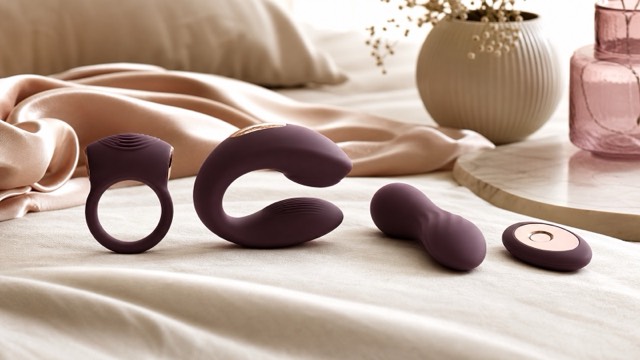
A toy may reduce physical effort, make a preferred sensation easier to reach or give partners a new way to share control. It can also create pressure if it arrives as a surprise solution for the person who wants less sex. Discuss the job before the product: more external stimulation, a shorter session, hands-free contact or a way to participate without doing the same activity.
Persistent or distressing changes in desire can have medical, medication, pain, hormonal or mental-health factors. A qualified clinician can help with physical concerns, while a certified sex therapist or couples therapist can support patterns of avoidance, resentment or conflict. Seek help sooner when sex involves pain, fear, coercion or repeated boundary violations.
A workable desire gap is not one person winning more sex or the other successfully avoiding every conversation. It is a relationship in which both people's wants and limits remain speakable, a no stays safe, and available forms of closeness are chosen without debt. Products are optional; consent and curiosity are the actual foundation. This guide offers general product education and cannot account for an individual health condition, injury or symptom. Stop if something hurts or causes persistent discomfort, and take personal medical questions to a qualified healthcare professional.
Sources
- Sexual desire discrepancy and relationship strategies — International Society for Sexual Medicine
- Responsive sexual desire — International Society for Sexual Medicine
- Talking with a partner about sex, boundaries and consent — Planned Parenthood
- Consent, boundaries and ongoing communication — RAINN
Reviewed as general relationship and sexual-wellness education against clinical communication, desire and consent guidance. It is not couples therapy or individualized medical advice.
Abigail's shortlist
What I'd genuinely point you toward
These aren't here to fill a product rail. Each one illustrates something I've talked about in this guide, and I've included the reason I'd consider it.
- desire discrepancy
- mismatched libido
- responsive desire
- couples communication
- consent