Air-pulse versus vibration: how the sensations differ
Air-pulse toys are often sold as if they belong in a completely different universe. The real differences are contact, positioning, noise and the kind of rhythm they create.

Abigail Reyes
June 20, 2026 · 7 min read · Fact-checked
Vibration moves the product; air-pulse changes pressure
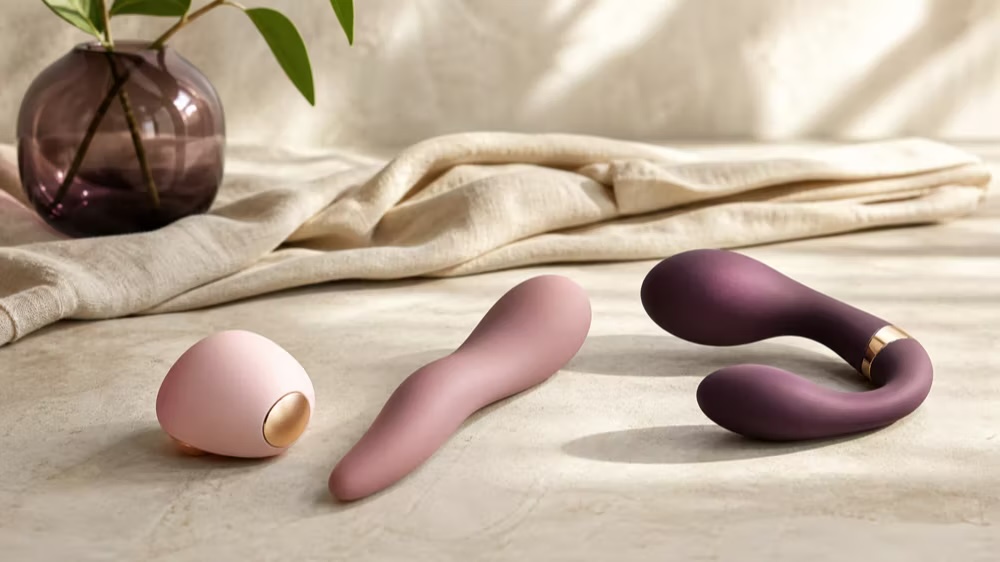
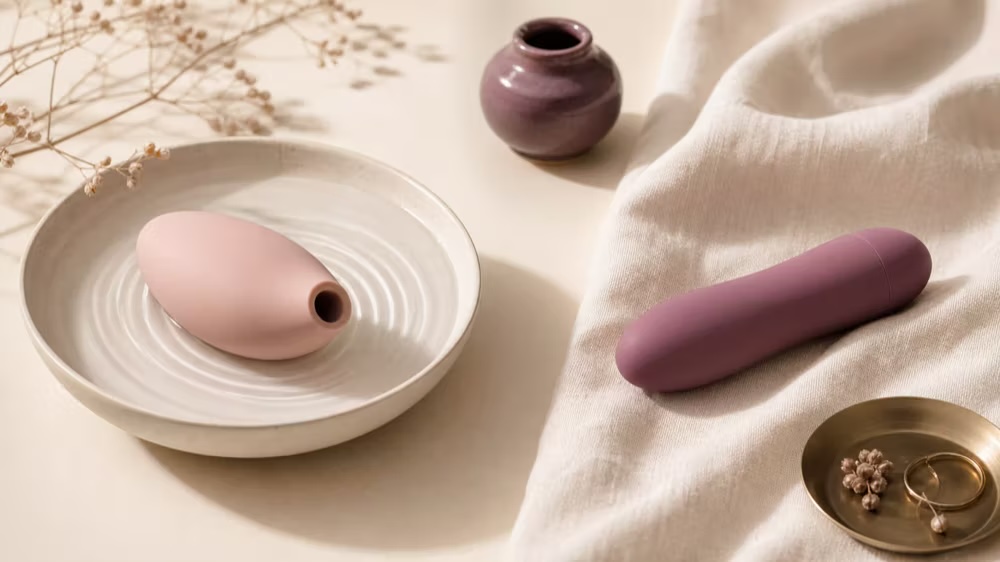
A conventional vibrator transfers rapid movement through its surface. You can place that surface directly on the body, hold it nearby, use it through fabric or move it between areas. An air-pulse product uses a small opening and a membrane or motor to create rhythmic pressure changes around external tissue. The housing may still vibrate, but the opening and air movement are the point of the design.
Marketing often calls this suction. Some products do create a suction-like feeling, though the mechanism usually alternates pressure rather than holding a continuous vacuum. I prefer air-pulse because it describes the category without promising one exact bodily response.
Air-pulse needs alignment; vibration is easier to roam
The opening of an air-pulse toy needs to sit comfortably around the intended area and form enough of a seal for the pressure changes to register. Openings vary in size and shape, and bodies vary too. A product can have an excellent motor yet feel underwhelming if the mouth is difficult to align. A vibrator is usually more forgiving because you can tilt, sweep or reposition its contact point continuously.
That difference affects shared use. A partner can understand a visible vibrating surface quickly, while air-pulse placement may take more precise feedback. Neither is a problem; it simply changes how much positioning matters.
Lubricant can change the seal as well. A small amount of water-based lubricant around the opening may improve comfort, but flooding the chamber can muffle the sensation or make cleanup harder. Use less than you might with an insertable toy and follow the manufacturer's directions for the opening.
The lowest level and control scheme matter
Air-pulse stimulation can feel intense even without hard contact, so a gentle first level is valuable. Some people enjoy building through small increments; others find the mechanism too focused at any speed. For vibration, range still matters, but you can soften a strong setting by reducing pressure, using a broader surface or adding a fabric layer.
Look for separate intensity controls, a clear way to turn the product off and a travel lock if it will leave the house. Some premium models add an auto-response feature or reduce intensity when moved away from the body. Useful extras depend on whether they simplify your routine rather than merely extending the feature list.
Cleaning follows the opening and water rating
An air-pulse opening can collect lubricant or moisture, so rinse or clean it exactly as the manufacturer instructs and let it dry completely. Waterproof models are easier to rinse, but waterproof is not permission to ignore depth or duration limits. Conventional vibrators also need attention around seams, buttons and charging contacts.
Choose air-pulse when focused pressure changes sound appealing and precise placement does not feel like a burden. Choose vibration when you want freer movement, more possible contact areas or a familiar sensation with many shapes. Owning one does not make the other redundant. This guide offers general product education and cannot account for an individual health condition, injury or symptom. Stop if something hurts or causes persistent discomfort, and take personal medical questions to a qualified healthcare professional.
Reviewed against product mechanisms and manufacturer care guidance. Sensation remains subjective.
Abigail's shortlist
What I'd genuinely point you toward
These aren't here to fill a product rail. Each one illustrates something I've talked about in this guide, and I've included the reason I'd consider it.
- air-pulse
- vibration
- clitoral stimulation
- comparison