Buzzy versus rumbly vibration: what the words really mean
They are imperfect words, but they describe more than ten pattern icons ever will. Here is how I listen for vibration character, range and what happens when a motor meets the body.

Abigail Reyes
June 12, 2026 · 7 min read · Fact-checked
Buzzy and rumbly describe frequency, but not scientifically
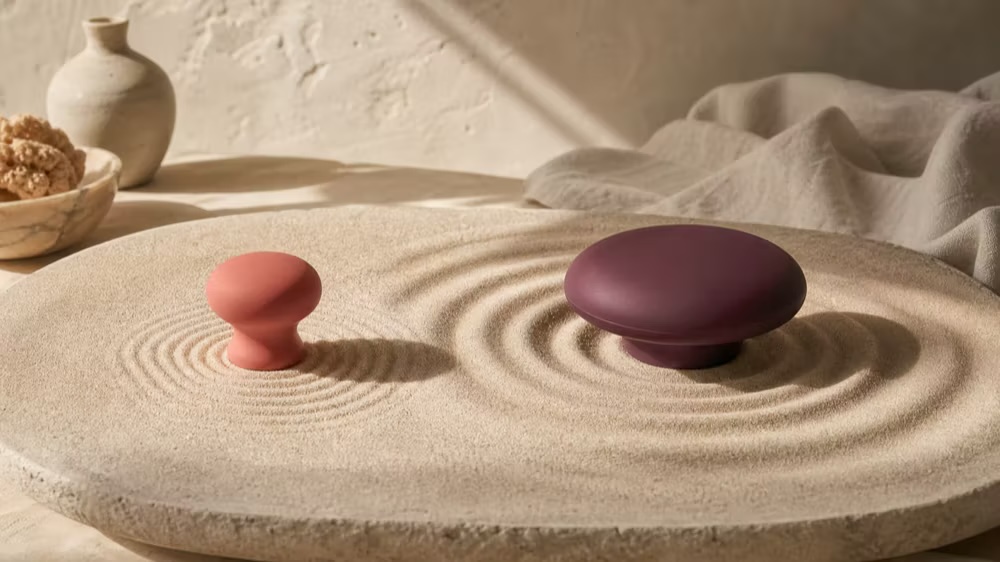
People usually call a vibration buzzy when it feels quick, sharp and concentrated near the surface. Rumbly vibration tends to feel slower, broader or as though it reaches more deeply. The distinction loosely reflects motor frequency and how the housing transfers movement, but these are community shorthand terms rather than standardized measurements printed on product boxes.
The same motor can feel different through a thin silicone shell, a thick plush covering or a wide flexible head. Your grip and the amount of pressure also change what reaches the body. That is why I avoid declaring a toy rumbly from the sound alone; I care about how consistently the sensation survives contact.
Neither character is universally better
A concentrated, higher-frequency sensation can feel lively and precise. It can suit someone who likes light contact or wants a small bullet that is easy to place. For another person it may feel ticklish, numbing or too close to the surface. A lower-frequency rumble can feel fuller and more comfortable under pressure, but it may also feel diffuse when someone wants a very exact point.
Preference is not a measure of experience. Some long-time shoppers love a bright bullet; some beginners immediately prefer the depth of a wand. If you are unsure, start with a product that has a genuinely wide intensity range and a shape you can use with different amounts of contact.
Patterns cannot repair a narrow usable range
Ten pulse patterns look impressive in a comparison table, but many people spend most of their time on steady vibration. I give more weight to the lowest setting, the spacing between levels and whether the product remembers or returns to a useful speed. A jump from barely perceptible to overwhelming is not made more versatile by adding a staircase pattern.
Controls matter here. Separate intensity and pattern buttons are easier to understand than one button that cycles through every mode. If you have limited hand strength, consider button size, how firmly it must be pressed and whether a long handle reduces wrist strain.
Pressure reveals motor quality
Some compact motors feel powerful in the air and weaken as soon as the product is pressed against the body. Others maintain their character under moderate pressure. I note that difference because it affects real use more than a manufacturer's adjective. Housing noise can also rise when a product is squeezed or when a loose button starts to resonate.
When you compare reviews, look for descriptions of contact area, usable low settings, performance under pressure and control layout. Those details are more honest than a single claim that a product is powerful. This guide offers general product education and cannot account for an individual health condition, injury or symptom. Stop if something hurts or causes persistent discomfort, and take personal medical questions to a qualified healthcare professional.
Reviewed as consumer product education. Sensation language is subjective and does not predict an individual's response.
Abigail's shortlist
What I'd genuinely point you toward
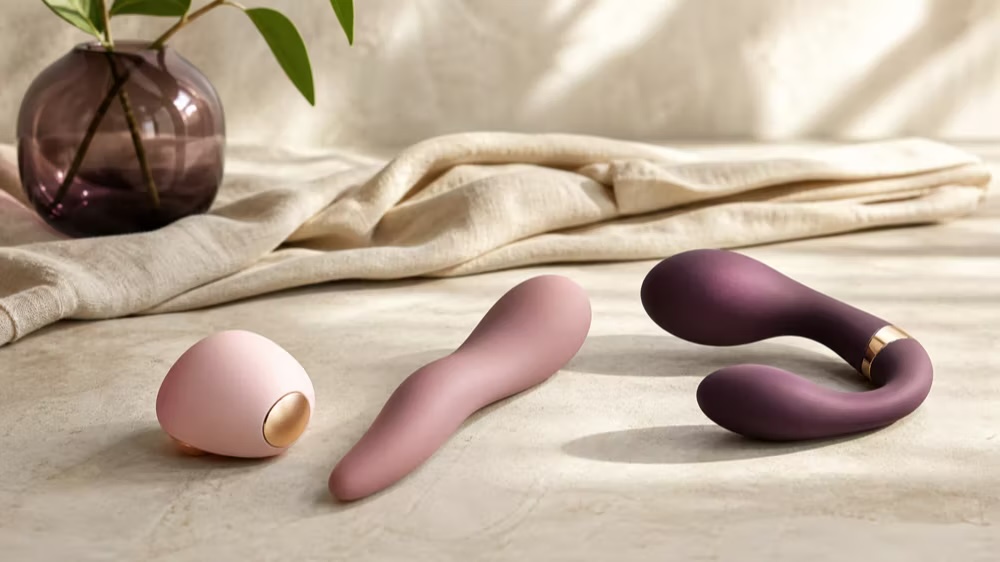
These aren't here to fill a product rail. Each one illustrates something I've talked about in this guide, and I've included the reason I'd consider it.
- vibration
- buzzy
- rumbly
- motors
- intensity