How to clean and store intimate products
Cleaning is simpler than the internet makes it sound. I'll walk you through what to wash, what not to submerge and how to stop a good toy going tacky in a drawer.

Abigail's quick take
“The complete product—not just its surface material—decides whether I wipe, rinse or submerge it.”
- Best for
- Anyone building a reliable cleaning, drying and storage routine.
- Keep in mind
- Putting a product away damp can undo an otherwise careful wash.
Most toys need warm water, mild soap and a little patience
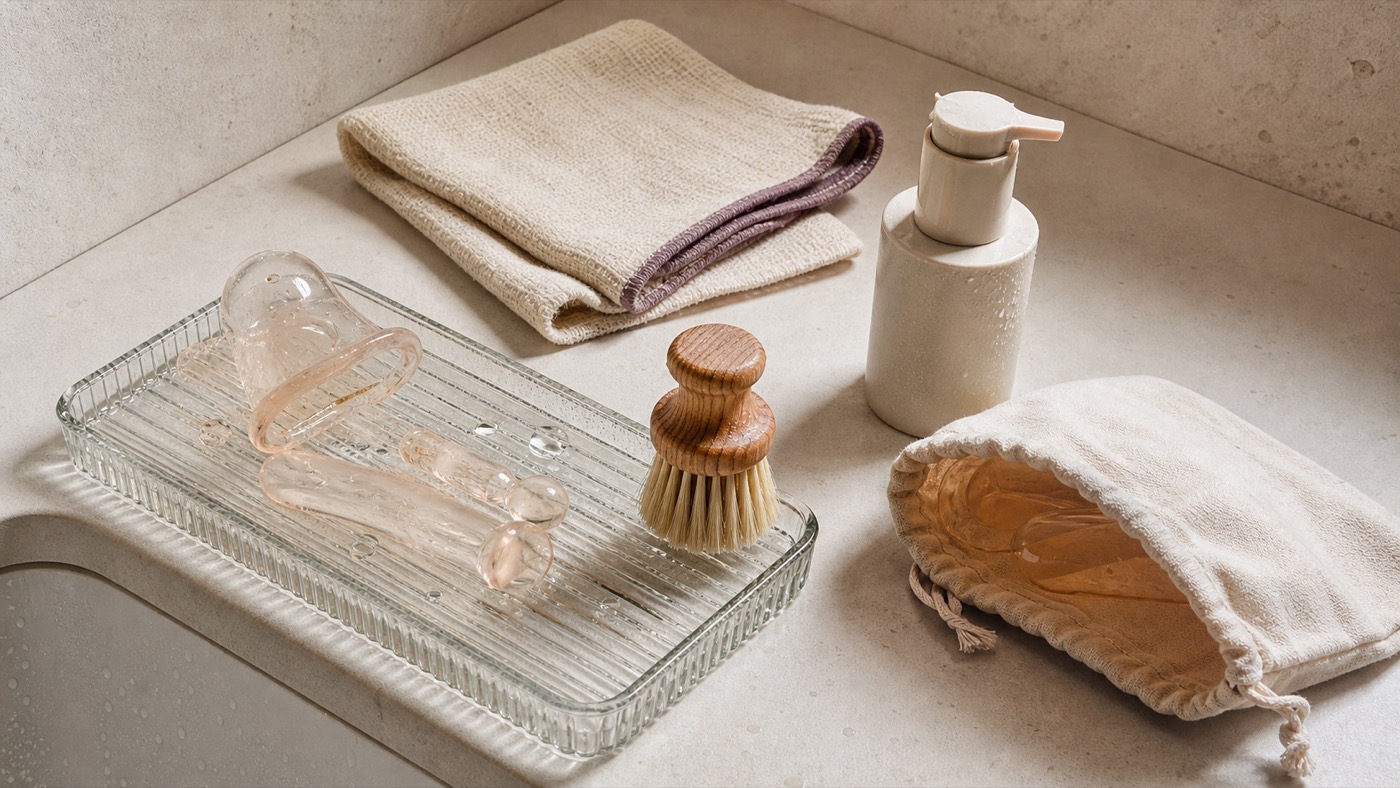
My default routine is not glamorous: wash my hands, rinse the toy with warm water, use a small amount of fragrance-free mild soap, work around every seam and ridge, then rinse longer than feels necessary. Soap residue can be irritating, and clear silicone makes it surprisingly easy to miss.
Clean before first use even when the product arrives sealed. Manufacturing dust, packaging fibres and other people's handling during fulfilment are all better removed. After use, clean as soon as reasonably possible so fluids and lubricant do not dry into buttons or textured surfaces.
A dedicated toy cleaner is convenient, especially for something that cannot be submerged, but it is not magical. Follow its contact time and rinse if the label says to. A quick spray and immediate wipe is not automatically more hygienic than careful soap and water.
Waterproof determines the method, not whether you clean it
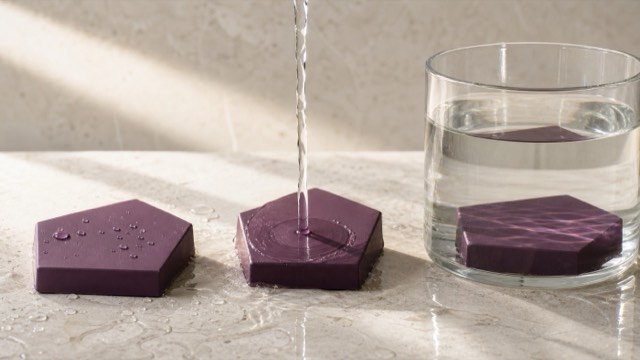
IPX7 products can be submerged briefly according to the manufacturer's instructions, which makes rinsing straightforward. Splash-resistant products should be cleaned with a damp, soapy cloth and another clean damp cloth to remove residue. Keep water away from open charging ports, battery compartments and control seams.
Remove batteries from battery-operated toys before cleaning. For wired or plug-in products, disconnect the power and clean only the washable head or surface the manual identifies. Never boil an electronic toy simply because the outer layer is silicone.
Motors and charging hardware change the rules. A non-motorised object made entirely from borosilicate glass or stainless steel may tolerate boiling, while a product with glued decorations, coatings or mixed materials may not. When in doubt, use the gentler method and check the care guide.
Porous products need realistic expectations
TPE, TPR, jelly and many realistic-feel blends are porous to varying degrees. Washing removes surface residue, but these materials cannot always be fully sanitised. That matters most when products are shared between people or used across different body areas.
A compatible condom over a porous toy creates a replaceable barrier. Use a fresh one between users and body areas, and still wash the underlying product according to its instructions. If the material develops an odour, oiliness, tears or permanent tackiness, it is time to replace it.
Do not soak porous materials in harsh disinfectants in an attempt to make them non-porous. Bleach, alcohol and household cleaners can damage the surface and leave residues you do not want near sensitive skin.
Drying is the step people rush
Pat the product with a clean, lint-free cloth, then let it air-dry fully. I stand pouches open and place toys so water cannot pool in a suction opening or around buttons. Putting something slightly damp into a closed bag is how a fresh, clean toy acquires a musty smell by next week.
Avoid a fluffy towel on tacky silicone because it donates lint with remarkable generosity. Do not use a hairdryer or put a toy on a radiator; concentrated heat can warp materials, weaken seals and shorten battery life.
Only reconnect a magnetic charger when both the toy and contacts are completely dry. If contacts look dirty, a dry soft cloth is usually enough. Follow the manufacturer if it recommends anything stronger.
Store each item as though materials can be unfriendly
Different soft materials can react when left touching for months, and even two items sold as silicone may have coatings or additives you do not know about. Individual cotton pouches are inexpensive insurance. They also keep dust, pet hair and drawer debris off the surface.
Keep products cool, dry and out of direct sunlight. Do not store them pressed under heavy objects that can deform soft shapes. Wind cables loosely rather than tightly around a wand, and keep the correct charger in the same labelled pouch if your collection contains several similar magnetic connectors.
Lockable storage is a privacy decision, not a hygiene requirement. Choose it if children, housemates or visitors make that appropriate. A breathable lined box inside a normal drawer is completely adequate for most collections.
Know when good care is no longer enough
Retire a toy if you find cracks, tears, exposed wiring, swelling, a surface that stays sticky after washing, corrosion, unusual battery heat or a persistent smell. A split near a seam can let water reach electronics even when the product was waterproof when new.
Rechargeable batteries also age. A dramatic drop in runtime, failure to hold charge or a body that becomes hot while charging are reasons to stop using the product and contact the manufacturer. Do not keep charging a swollen battery in the hope it settles down.
I do a quick inspection while washing because the toy is already in my hands and well lit. Five calm minutes of cleaning, drying and checking will usually protect both the product and the experience far better than an impressive collection of specialist sprays.
This article is educational and is not a substitute for individualised care from a qualified professional.
Sources
- Sex-toy cleaning, barriers and safer use — Planned Parenthood
- Safer sex and shared-toy barrier guidance — Planned Parenthood
Abigail's shortlist
What I'd genuinely point you toward
These aren't here to fill a product rail. Each one illustrates something I've talked about in this guide, and I've included the reason I'd consider it.
- care
- hygiene
- storage