What 'waterproof' really means
Splashproof, shower-safe and submersible are not synonyms. Here's how to read an IP rating before water meets a charging port.

Abigail's quick take
“Waterproof, splashproof and shower-safe are not interchangeable, so I look for an exact rating or clear limits.”
- Best for
- Anyone planning bath or shower use, or deciding how to clean a powered product.
- Keep in mind
- A silicone exterior does not make a charging port or battery housing submersible.
Start with the letters and numbers, not the word 'waterproof'
An IP rating describes tested resistance to things entering an enclosure. In a rating such as IPX7, the X means no dust-resistance rating is being stated, while the final number describes water protection. The word 'waterproof' on its own does not tell you what test was performed.
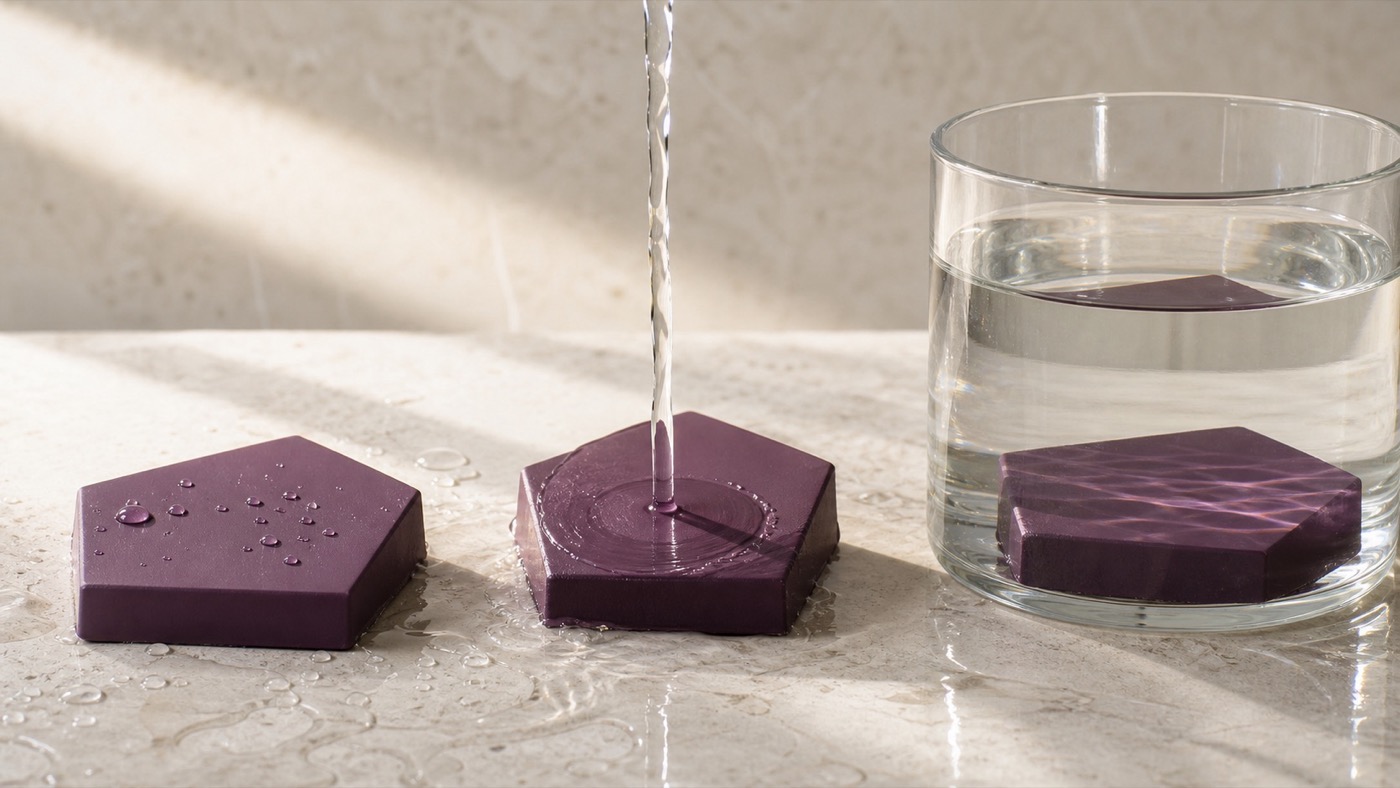
IPX4 covers splashing from different directions. IPX5 and IPX6 address water jets at increasing pressure. IPX7 addresses temporary immersion under defined conditions—commonly up to one metre for thirty minutes. IPX8 covers immersion conditions specified by the manufacturer, which may be deeper or longer.
Those tests are not a promise of indestructibility. They apply to a new, intact product used within the stated conditions. Seals age, surfaces tear and charging-port covers get lost.
Splashproof is for careful cleaning, not wishful bathing
An IPX4 product can cope with splashes, which is useful near a sink and usually enough for a careful wipe-down. It is not designed to sit at the bottom of a bath. Shower jets can also be more forceful and sustained than the casual splash the label brings to mind.
If no rating is published, I keep the product away from running water and clean it with a damp cloth according to the manual. 'Washable' may refer only to a removable attachment, not the motorised handle.
I also look for the rating in the manual rather than relying on a retailer filter. Product copy is sometimes inherited from a previous model or uses 'water-resistant' casually. The manufacturer's current technical specification should win.
Charging design gives clues, but not proof
Magnetic contacts allow the enclosure to remain sealed, so they are common on IPX7 products. A self-sealing pinhole port can also be waterproof when engineered correctly. An exposed USB socket or removable battery door makes submersion less likely, but the published rating—not my visual guess—is what matters.
A silicone flap must be fully seated before water exposure. Check it for lint, stretching and tears. If a product has been dropped, split at a seam or started rattling, I stop trusting the original rating until the manufacturer has inspected or replaced it.
Never charge while the product is wet. I rinse, shake water away from seams, pat dry and leave it to air-dry before connecting power. Magnetic contacts can hold a tiny film of water that is easy to miss.
Water changes the experience as well as the risk
Water-based lubricant dissolves in the bath and rinses away quickly in the shower. Silicone lubricant lasts in water, but it may be incompatible with a silicone toy, so check both sets of instructions and patch-test if the manufacturer permits it.
A toy can sound louder against a hard bath and quieter under water. Pressure-wave and sonic products may feel different when water affects the seal or transmits the sensation. Start low and expect to reposition rather than assuming your usual dry-land setting will translate.
Grip is the underrated issue. Smooth silicone, wet hands and a heavy product make a poor trio. Wrist loops, textured handles and controls you can locate without looking become much more important in the shower.
My water-safe checklist
For shower use, I want a clear manufacturer rating appropriate to water jets, a solid grip, sealed charging and controls I can press with wet fingers. For bath use, I look for IPX7 or IPX8 and confirm the allowed depth and duration in the manual.
After salt water or a chlorinated pool, rinse with fresh water because salt and chemicals are hard on surfaces and metal contacts. Dry fully before storage, and never take a mains-powered or plug-in product near a bath no matter how washable its head appears.
The safe answer is wonderfully literal: use the product only in the water conditions it was tested for. If the rating is vague, missing or contradicted across listings, keep it dry and ask the manufacturer before experimenting.
This article is educational and is not a substitute for individualised care from a qualified professional.
Sources
- Ingress protection ratings — IEC 60529
- IEC 60529 ingress-protection classification — International Electrotechnical Commission
Abigail's shortlist
What I'd genuinely point you toward
These aren't here to fill a product rail. Each one illustrates something I've talked about in this guide, and I've included the reason I'd consider it.
- waterproof
- specs