Water-based vs. silicone lubricant, explained
One is the dependable all-rounder; the other stays gloriously slippery. Here's how they actually feel, what they're compatible with and when I use each.

Abigail's quick take
“Water-based is the easy all-rounder; silicone is the longer-lasting specialist I use only after checking compatibility.”
- Best for
- Anyone choosing a first lubricant or deciding what belongs beside a particular toy.
- Keep in mind
- Oil introduces separate barrier rules and massage products are not automatically intimate lubricants.
The difference is easiest to understand on your skin
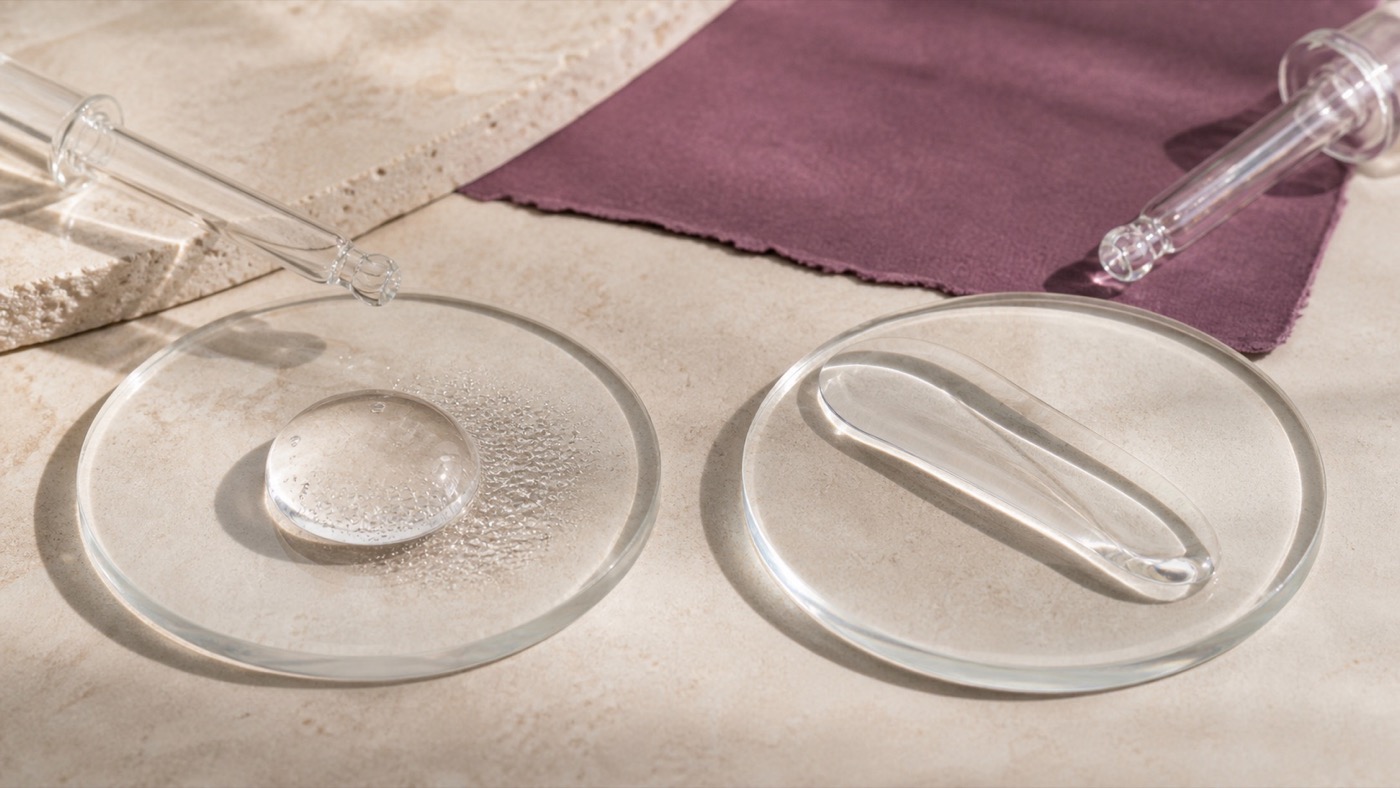
Water-based lubricant feels wet, light and familiar. It spreads easily, rinses away with water and eventually absorbs or evaporates. Silicone lubricant feels silkier and more persistent; it sits on the surface of the skin until you wash it off with soap.
Neither texture is universally better. I use water-based for most toys and shorter everyday sessions because cleanup is easy. I use silicone when I want glide to last, when water is involved or when repeated reapplication would break the rhythm.
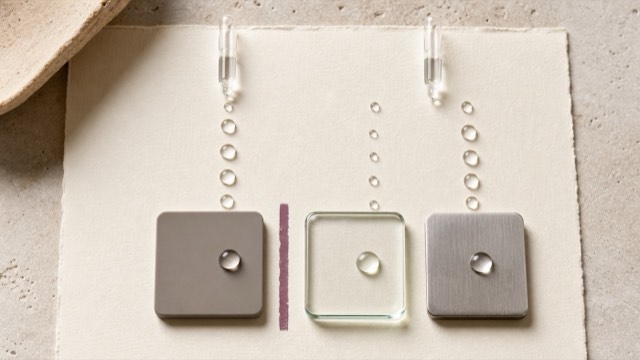
The best way to compare is a drop of each on the backs of your hands. Rub for thirty seconds, wait two minutes and add a little water. You will immediately understand more than the words 'premium glide' can tell you.
Water-based is the compatibility-safe starting point
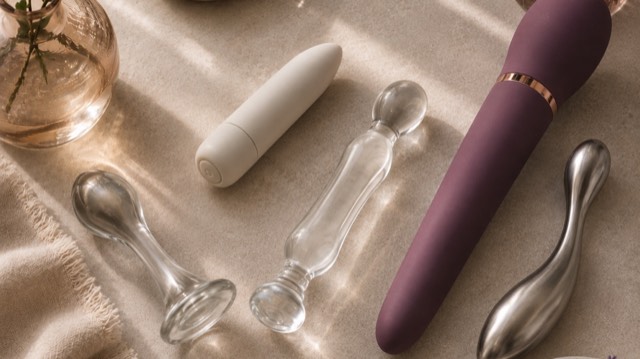
Water-based lubricant works with silicone, glass, steel, ABS plastic, latex and polyisoprene condoms. That broad compatibility is why it is the bottle I recommend when someone owns several different toys or does not want to remember a chart in the moment.
Its weakness is staying power. Water leaves the formula through evaporation and absorption, so drag gradually increases. That does not mean the product has failed. Reapply, or reactivate a good formula with a few drops of water rather than adding half the bottle at once.
Some water-based lubricants become sticky because they contain a high proportion of humectants or film-forming ingredients. Others stay cushiony and almost serum-like. Texture varies enormously within the category, so one disappointing bottle is not evidence that all water-based lube feels the same.
Silicone is the long-distance option
Silicone molecules do not evaporate or absorb in the same way, which is why a small amount can stay slippery for such a long time. It performs well in the shower or bath, where water-based formulas simply wash away, and it is excellent for massage when you do not want to keep stopping.
It is compatible with latex and most common condom materials. The important restriction is silicone toys: some silicone lubricants can alter some silicone surfaces, causing swelling, tackiness or a permanent change in texture. Formulations vary, so the reaction is not guaranteed—but I do not gamble with an expensive toy.
If the toy manufacturer explicitly approves silicone lubricant, I still patch-test a tiny amount on the base for twenty-four hours. Otherwise I use water-based or place a compatible condom over the toy. Glass, stainless steel and ABS plastic are happy with silicone lubricant.
Hybrid and oil-based formulas need their own rules
Hybrid lubricants usually start with water and add a smaller amount of silicone for more cushion and longevity. Some are compatible with silicone toys and some are not. 'Hybrid' is a category description, not a compatibility guarantee, so check both the lubricant label and the toy instructions.
Oil-based lubricants can feel rich and last beautifully, but oil damages latex condoms and can stain fabric. They also require more thorough cleanup. I reserve them for situations where barrier compatibility is not an issue and every person involved knows what is being used.
Household oils are not automatically suitable for genital tissue just because they are edible. Fragrance, flavouring and additives can irritate, and oils are particularly awkward to clean from porous products.
Sensitive skin deserves more than a 'natural' label
I look for fragrance-free formulas with a short, clearly published ingredient list. Warming, cooling and tingling products can be enjoyable, but they deliberately create sensation through ingredients that may feel irritating on sensitive tissue. Start with a tiny amount and stop if it burns rather than warms.
Glycerin works well for many people and poorly for some; the same is true of preservatives and botanical extracts. 'Natural' does not predict gentleness, and a preservative-free water-based bottle can become contaminated more easily after opening.
Osmolality and pH are relevant to tissue comfort, although brands do not always publish them. If you have recurring irritation, a clinician can help you separate an ingredient reaction from an unrelated condition. Switching products repeatedly without knowing the cause gets expensive and frustrating.
My decision in thirty seconds
Silicone toy or unsure what the toy is made from: water-based. Glass, steel or ABS and I want long wear: silicone is fine. Shower or bath: silicone. Latex barrier: water-based or silicone, never oil. Sensitive skin: fragrance-free, fewer extras and a patch test on the inner arm first.
Use more than you think you need the first time, then learn your own amount. Apply it to both the body and the product rather than expecting one large blob to distribute itself. If friction returns, pause and add more; discomfort is not a stage you need to push through.
And wash the bottle occasionally. Lubricant caps become surprisingly grubby, especially pump collars. A good formula stored cleanly, closed tightly and within its use-after-opening period is a quiet piece of kit that improves almost everything around it.
This article is educational and is not a substitute for individualised care from a qualified professional.
Sources
- Material compatibility guidance — Manufacturer care documentation
- Lubricant and sex-toy compatibility guidance — Sexual Health Oxfordshire (NHS)
- Condom and lubricant guidance — U.S. Centers for Disease Control and Prevention
Abigail's shortlist
What I'd genuinely point you toward
These aren't here to fill a product rail. Each one illustrates something I've talked about in this guide, and I've included the reason I'd consider it.
- lubricant
- compatibility
- comparison