Skip to content

Sale prices throughout the shop — no discount code needed

Comfort and compatibility

Choose lubricant with confidence

Water-, silicone- and oil-based lubricants explained by feel, longevity, toy and barrier compatibility, cleanup and ingredient preferences.

Begin here

Essential guides for lubricants & comfort

These guides answer the most useful first questions before you compare products.

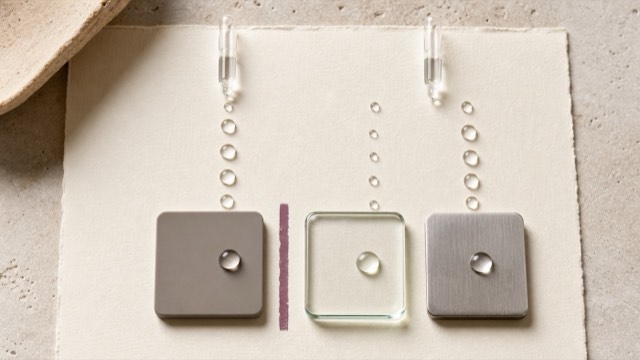
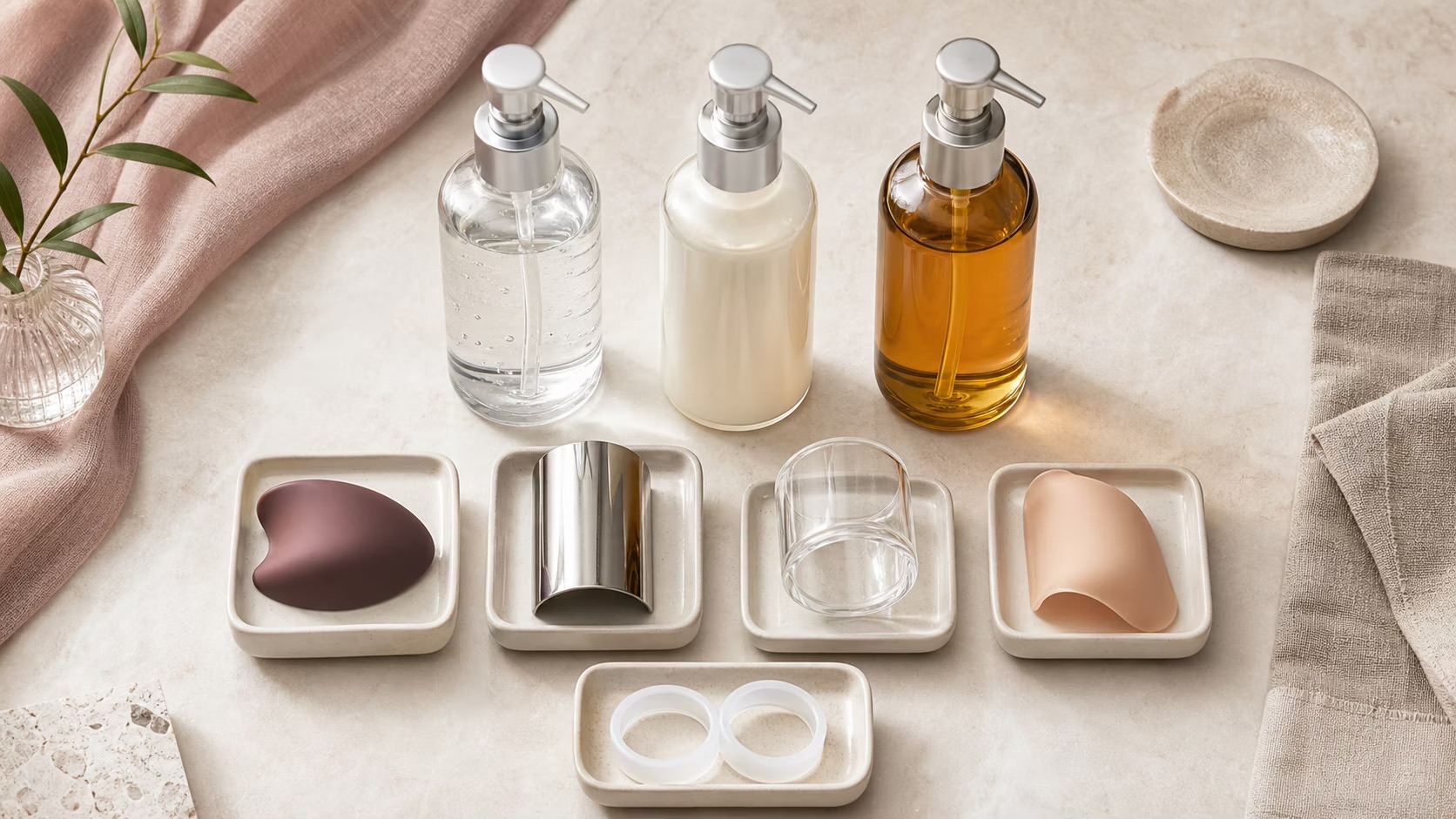
A visual compatibility test pairing liquid droplets with silicone, glass and steel

Lubricant education

How to choose the right lubricant for your toy

You shouldn't need a chemistry degree beside the bed. This is the compatibility rule I remember, the exceptions I check and how I patch-test an expensive toy.

Sep 13, 2025 · 5 min read · Fact-checked

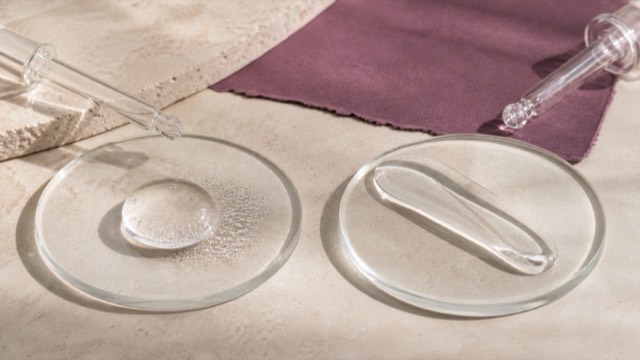
Two clear liquid samples showing the different textures of water-based and silicone lubricant

Lubricant education

Water-based vs. silicone lubricant, explained

One is the dependable all-rounder; the other stays gloriously slippery. Here's how they actually feel, what they're compatible with and when I use each.

Mar 9, 2026 · 5 min read · Fact-checked

Put the guide into practice

Shop with lubricants & comfort in mind

These collections are the closest practical next step from this guide. Product pages add the dimensions, materials, controls and care details needed for a final comparison.

View all collections

What to understand

The base formula determines the broadest trade-offs

Water-based lubricant is the easiest default because it is broadly compatible with common toy materials and barrier methods, and it usually washes away with water. It can dry or become tacky sooner, although adding a little water may refresh some formulas. Silicone-based lubricant generally lasts longer and stays slippery in water, but compatibility with silicone products varies by formulation and finish.

Oil-based products can provide long-lasting glide for massage or specific kinds of play, but oils can damage latex condoms and some other barriers. They may also require more cleanup. Always check both the lubricant label and the product or barrier instructions when compatibility matters.

Silicone-on-silicone is not a universal yes or no

Some high-quality silicone products tolerate some silicone lubricants, while others can become tacky, swollen or damaged. The safest general approach is to follow the product manufacturer. If the guidance is missing or unclear, use water-based lubricant or patch-test a tiny amount on an inconspicuous area and check it after cleaning.

Comfort is individual

Fragrance, flavor, warming or cooling ingredients and botanical extracts can make a formula appealing to one person and irritating to another. A shorter ingredient list is not a guarantee, but an unscented formula without added sensation is often an easier place to begin when sensitivity is a concern. Stop using anything that burns, causes persistent irritation or feels wrong for your body.

Useful language

A plain-language glossary

Water-based
A broadly compatible lubricant that usually cleans away easily but may need reapplication sooner.
Silicone-based
A longer-lasting lubricant that works well around water but requires a compatibility check with silicone products.
Oil-based
A long-lasting formula that can suit massage or specific play but is not compatible with latex condoms.
Osmolality
A measure of dissolved particles in a liquid; extremely high values can draw water from tissue, though consumers are rarely given this information.
Patch test
Trying a very small amount on an inconspicuous product area or small area of external skin before broader use.

Not sure how this applies to you?

Learn first, then narrow Abigail's reviewed picks

The product finder uses the same language as this library and never recommends an unreviewed catalog item.

Open the product finder