How to choose an anal lubricant that stays comfortable
Anal lubricant has a demanding job: it needs to reduce friction, stay comfortable and work with the toy or barrier you are using. Here is how I compare formulas without getting distracted by bedroom marketing.
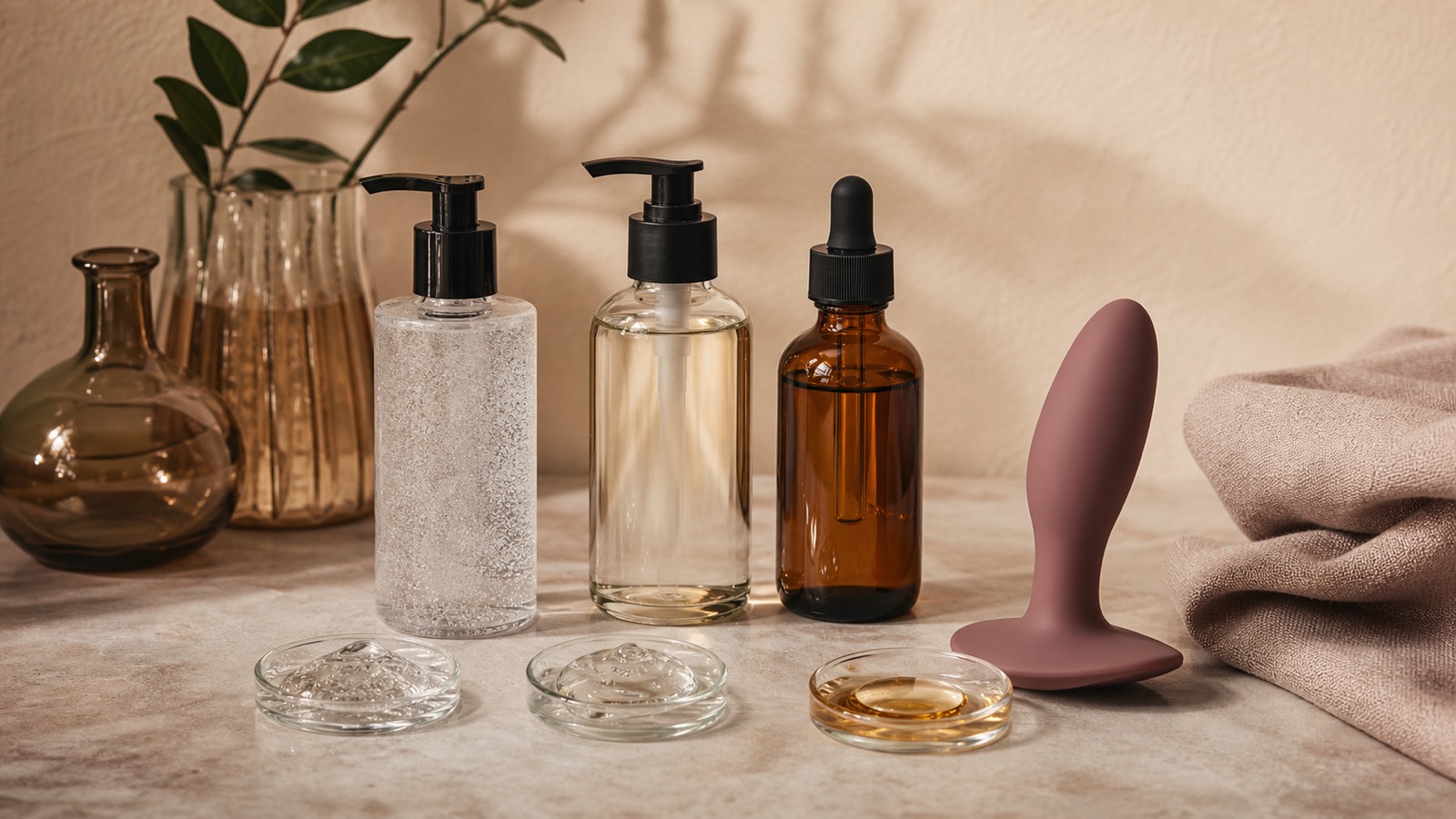

Abigail's quick take
“For anal use, I want generous, compatible glide that stays comfortable without numbing the body's feedback.”
- Best for
- Anyone choosing between water-, silicone- and oil-based formulas for anal toys or barriers.
- Keep in mind
- Oil can damage latex and polyisoprene barriers, while silicone lubricant needs checking against silicone toys.
For anal play, lubricant is essential rather than optional
The rectum does not produce the kind of natural lubrication that can make other forms of penetration more comfortable. Friction can build before it becomes obvious, especially with a firm toy or a longer session. I use more lubricant than I think I will need, apply it to both the body and the insertable portion, and keep the bottle within reach instead of treating reapplication as an interruption.
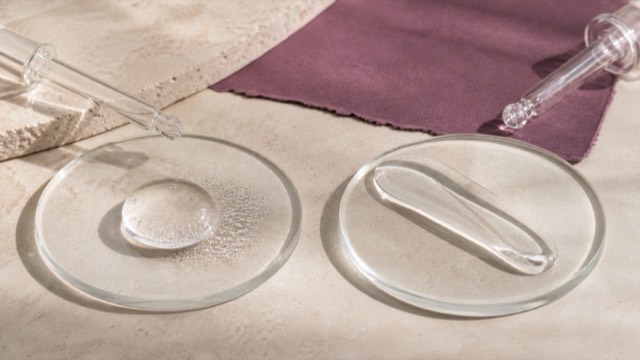
Texture matters as much as quantity. A thin formula can feel silky at first but run away from the area; a very thick one may stay in place but feel tacky as it dries. There is no universally perfect consistency. The useful question is whether the formula maintains a smooth glide at the pace, duration and toy size you actually enjoy.
Water-based is the simplest place to begin
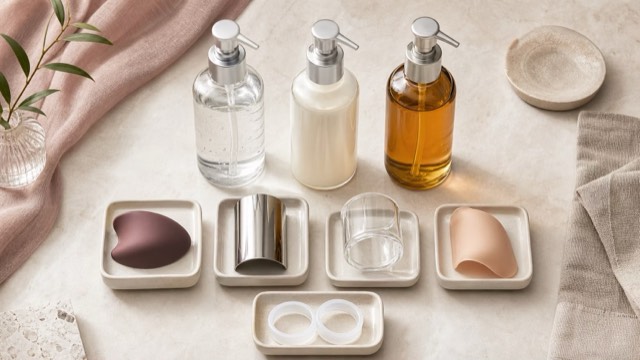
Water-based lubricant works with latex and polyisoprene condoms and with the widest range of toy materials. It washes off skin and linens more easily than silicone or oil, and it is the formula I would suggest when someone owns several toys and does not want to remember a compatibility chart every time. A thicker water-based gel often stays in place better for anal use than a very fluid personal lubricant.
Its trade-off is evaporation. Add more when glide diminishes; a small amount of water can sometimes reactivate a formula, but do not keep going once it feels sticky or resistant. Fragrance, warming agents, cooling agents and numbing ingredients are unnecessary for most people and can make it harder to notice irritation or too much pressure. Plain is a feature here.
Silicone lasts longer, but compatibility needs attention
Silicone lubricant does not evaporate in the same way, so a modest amount can remain slippery for longer and in water. That can be genuinely helpful for anal play. It is generally compatible with latex condoms, but silicone formulas can interact with some silicone toys, changing the finish or making the surface tacky. Manufacturer guidance should lead, and a discreet patch test is sensible when the answer is unclear.
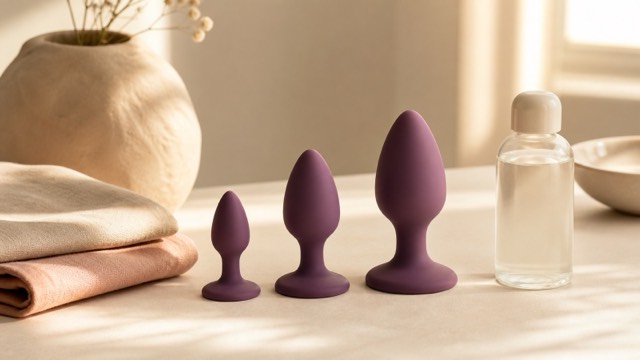
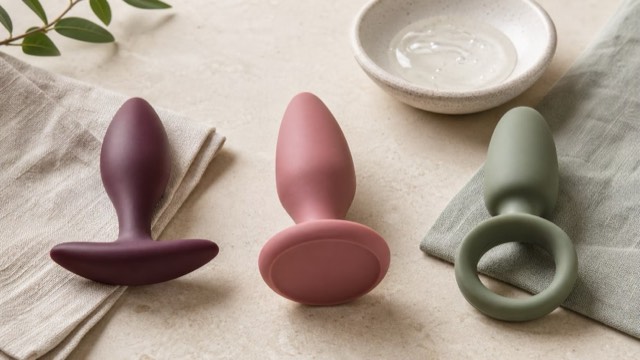
Do not assume that a premium toy and a premium lubricant must cooperate because both are described as body-safe. Material chemistry is less romantic than the packaging. If you want one bottle that works across an uncertain toy drawer, choose water-based. If you want longer glide for a glass, stainless-steel or explicitly compatible toy, silicone becomes more compelling.
Oil changes the barrier conversation
Oil-based products can feel cushiony and last well, but oils weaken latex and polyisoprene barriers. That includes many condoms and some toy covers. They may be compatible with nitrile or polyurethane products, but the barrier manufacturer’s instructions matter. Oil can also be harder to remove from skin, toys and fabric, so it is not the effortless all-purpose answer it can appear to be.
Household oils introduce even more uncertainty around ingredients, fragrance, staining and barrier compatibility. I would rather use a personal lubricant with a complete label and a stated purpose. If infection prevention or pregnancy prevention is part of the plan, choose the barrier first and then select a lubricant the manufacturer confirms is compatible with it.
Choose for your body, then reassess during use
Read the full ingredient list when you have known sensitivities. Terms such as natural, clean or hypoallergenic do not guarantee that a formula will suit every body. Patch-test on external skin, stop if burning or persistent irritation develops, and avoid numbing products that can conceal the body’s request to slow down. Lubricant reduces friction; it cannot make an unsuitable size, angle or pace comfortable.
The bottle that earns a permanent place is the one you can apply generously, reapply without fuss and clean up without resentment. Store it closed, note its expiry or period-after-opening guidance, and replace it if the smell, color or consistency changes. Comfort is the result of compatible products and attentive use, not a single miracle ingredient. This guide is general education, not individualized medical advice. Persistent pain, bleeding, numbness or a sudden change that worries you deserves care from a qualified healthcare professional.
Sources
- Lubricant and sex-toy compatibility guidance — Sexual Health Oxfordshire (NHS)
- Safer sex and shared-toy barrier guidance — Planned Parenthood
- Condom and lubricant guidance — U.S. Centers for Disease Control and Prevention
Reviewed as general lubricant-selection and safer-sex education using current barrier and anal-health guidance. Ingredient sensitivities and medical needs vary by person.
Abigail's shortlist
What I'd genuinely point you toward
These aren't here to fill a product rail. Each one illustrates something I've talked about in this guide, and I've included the reason I'd consider it.
- anal lubricant
- water-based lube
- silicone lube
- condoms
- compatibility