A practical lubricant compatibility guide for toys and barriers
The safest default is simple, but the complete answer depends on both the toy and any barrier you are using. This is the compatibility checklist I want beside every product drawer.

Abigail's quick take
“Water-based lubricant is my broad default, then I check the toy and any barrier before choosing anything more specialized.”
- Best for
- Anyone with a mixed toy drawer or questions about condoms and silicone products.
- Keep in mind
- The toy, lubricant and barrier labels all need to agree.
Water-based lubricant is the broadest default
Water-based lubricant works with common silicone, glass, stainless steel, hard plastic and elastomer toys, and with common latex and synthetic barriers when the label agrees. It washes away easily and is the bottle I choose when someone has a mixed collection or does not want to remember a matrix in the moment.
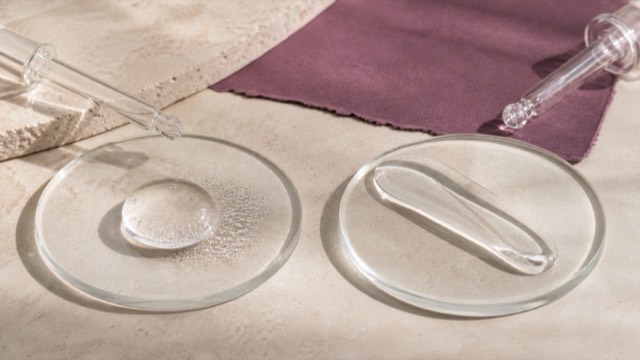
The trade-off is longevity. Water evaporates or absorbs, so some formulas become tacky and need more product. A small splash of water can refresh certain lubricants, while others feel better after a full reapplication. Gel formulas may stay in place more easily for anal play without changing the broad compatibility advantage.
Silicone lubricant lasts longer but needs a toy check
Silicone-based lubricant stays slippery longer and does not wash away quickly in a shower or bath. It is generally compatible with latex condoms, but silicone lubricant can change the surface of some silicone toys. Some manufacturers approve specific combinations; others advise against all silicone lubricant.
Follow the toy manufacturer first. When the answer is missing, water-based lubricant is the safer default. A patch test on a hidden area can reveal tackiness or swelling, but it is not a substitute for clear manufacturer compatibility and it should never be done on a damaged product.
Oil and latex do not belong together
Oil-based lubricants and ordinary oils can weaken latex condoms and increase the chance of breakage. Some synthetic barriers tolerate oil, but barrier materials differ, so read the package rather than assuming non-latex means yes. Oil can also stain fabric, linger on skin and affect some soft toy materials.
Massage oil is not automatically genital lubricant. Fragrance, warming ingredients and products made only for external skin may irritate more sensitive tissue. Use products for the purpose named on the label.
The quick compatibility chart
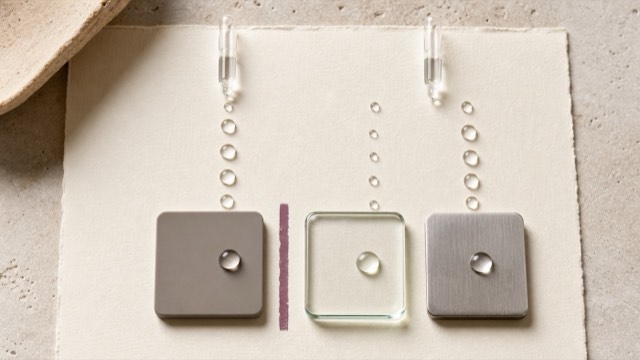
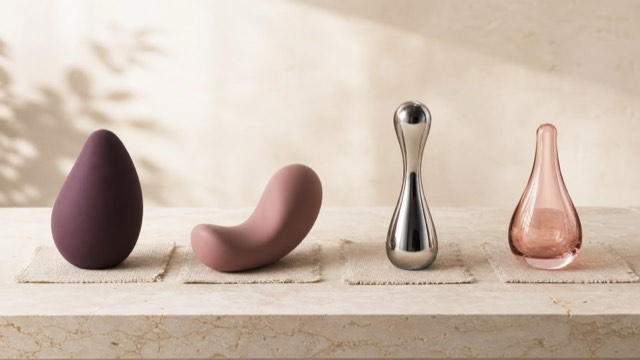
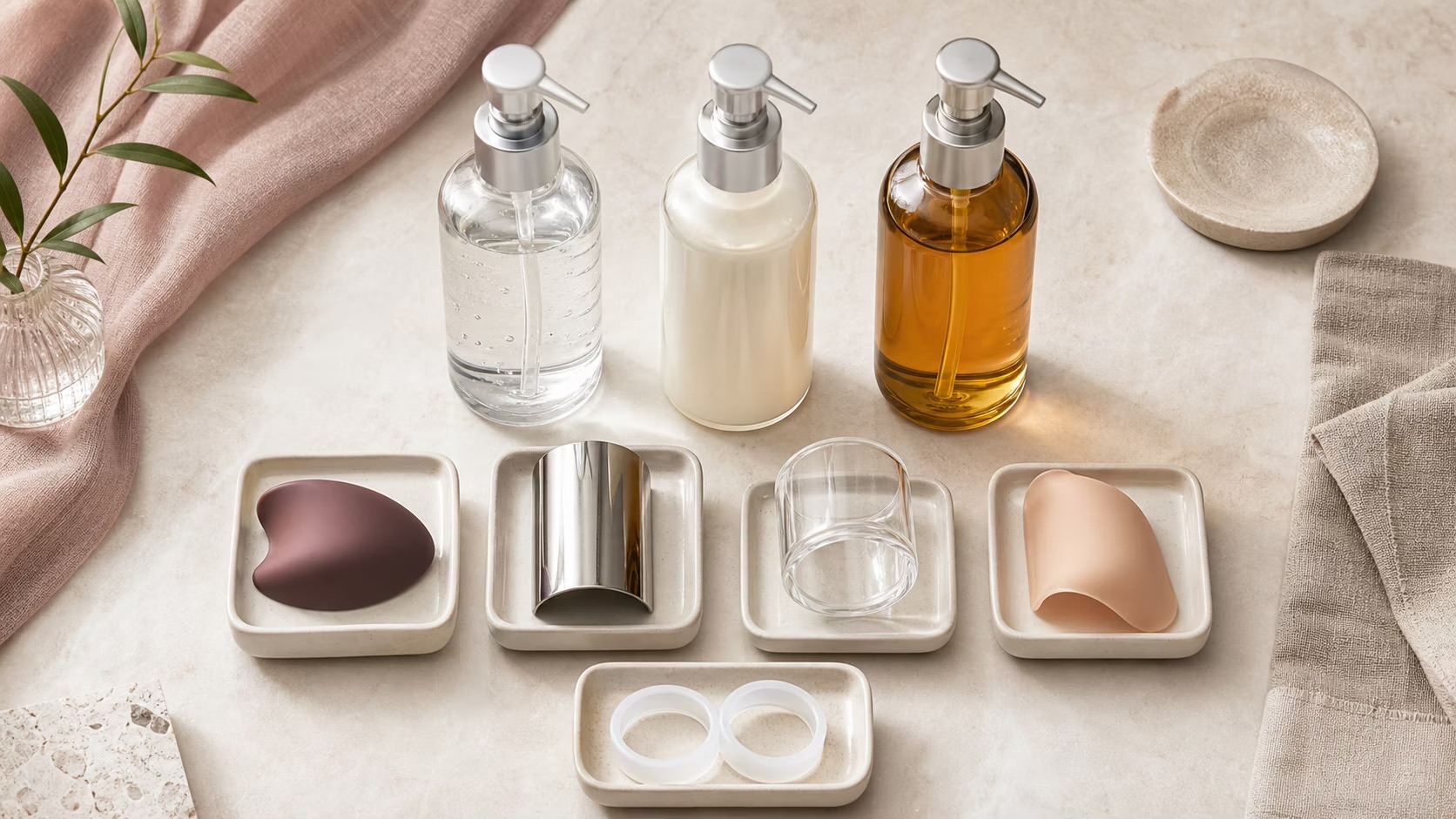
For silicone, glass, stainless steel, ABS plastic, TPE and TPR toys, water-based lubricant is the simple starting choice. With silicone toys, use silicone lubricant only when the manufacturer permits it. With latex or polyisoprene condoms, use water- or silicone-based lubricant and avoid oil. With polyurethane or nitrile barriers, check the specific package because compatibility can differ.
Flavored, warming, cooling and numbing formulas add another decision beyond the base. They may contain sweeteners, fragrance or sensation-producing ingredients that some bodies dislike. I would not use a novelty effect to solve discomfort; an unscented formula with a compatible base is the clearer starting point.
When in doubt, check all three labels.
For anal use, choose generous lubricant and reapply before friction becomes discomfort. The anus does not provide its own lubrication, and persistent pain or bleeding is a reason to stop rather than push through. This guide offers general product education and cannot account for an individual health condition, injury or symptom. Stop if something hurts or causes persistent discomfort, and take personal medical questions to a qualified healthcare professional.
Sources
- CDC condom-use guidance — Oil-based lubricants can weaken latex condoms; water-based lubricant is recommended with latex.
- Planned Parenthood safer-sex guidance — Water- and silicone-based lubricants are compatible with latex and polyisoprene barriers; oil can damage them.
- Sexual Health Oxfordshire lubricant guidance — Water-based lubricant is the broad toy-compatible default; silicone and some oils can affect silicone or realistic-feel materials.
Reviewed against CDC, Planned Parenthood and NHS sexual-health guidance. Always follow the specific toy, lubricant and barrier labels.
Abigail's shortlist
What I'd genuinely point you toward
These aren't here to fill a product rail. Each one illustrates something I've talked about in this guide, and I've included the reason I'd consider it.
- lubricant
- compatibility
- silicone
- condoms
- materials