Choosing sex toys for limited mobility, reach or grip
A toy can be powerful and still be exhausting to hold, position or charge. This guide focuses on reach, hand effort, controls and setup so pleasure asks less of the body.
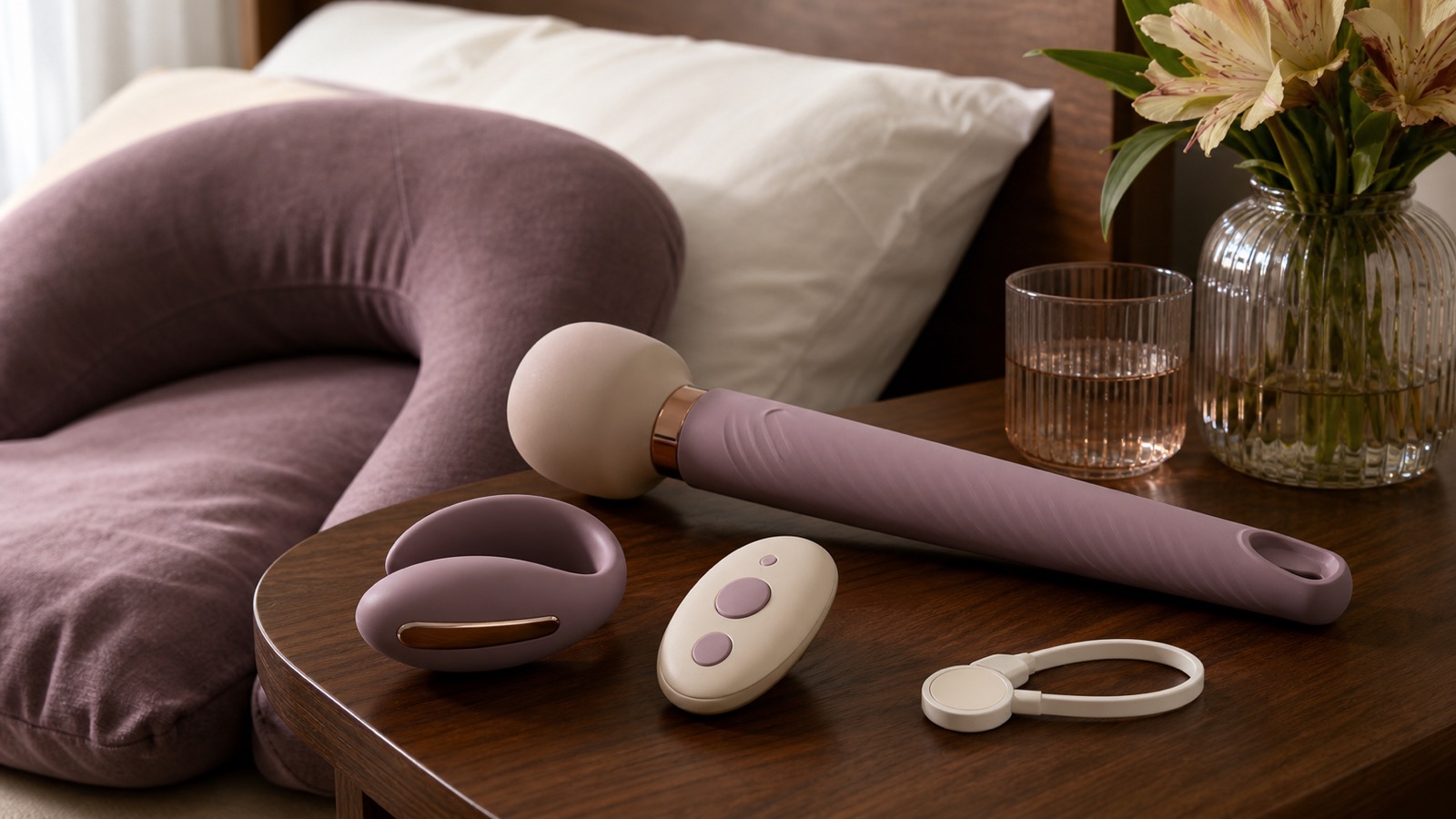

Abigail's quick take
“I assess the full effort of lifting, positioning, controlling, charging and cleaning—not just whether a toy says ergonomic.”
- Best for
- People who want to reduce grip, reach, precision or setup demands.
- Keep in mind
- Hands-free products may still require positioning and removal, and fixed shapes do not fit every body.
Start with the effort the product requires
Most product pages lead with sensation, settings and battery life. I start one step earlier: what does the person have to lift, grip, reach, press and remember before any of that becomes useful? A compact bullet may be light but demand precise fingertip control. A full-size wand may reach farther and cover more area but become tiring after several minutes. Neither format is automatically more accessible.
Think through the complete sequence from storage to cleanup. Can the toy be retrieved from where it lives? Is the charging port visible and easy to align? Can the cap be opened without twisting? Does cleaning require holding a heavy object over a sink? Access is not one feature; it is the sum of small demands throughout the experience.
Use shape to reduce reach and precision
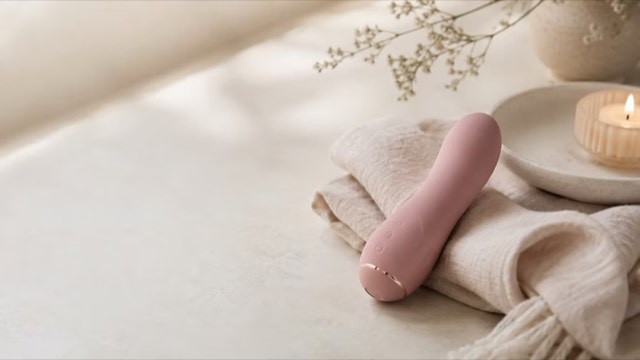
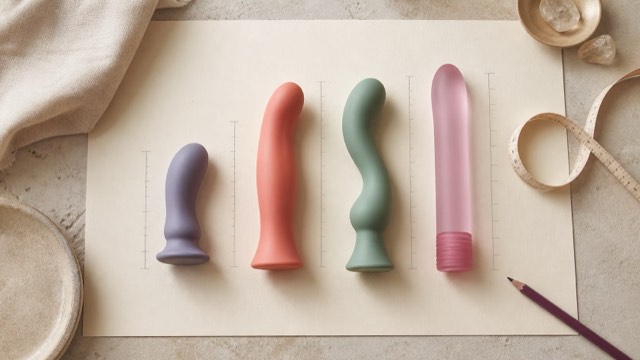
A longer handle can bring external stimulation within reach without a deep bend at the wrist, hip or shoulder. A broad head is more forgiving than a tiny point because the sensation remains useful when placement shifts. Curved handles, loops and textured grip areas can help, but only when the shape matches the way your hand naturally closes.
Weight distribution matters. A long toy that carries its motor in the head can feel heavier than its listed weight suggests. If possible, compare total weight, handle diameter and where the widest point sits. A soft strap, compatible wand attachment or stable pillow can sometimes reduce holding effort without requiring a completely different toy.
Controls should be distinct without a visual puzzle
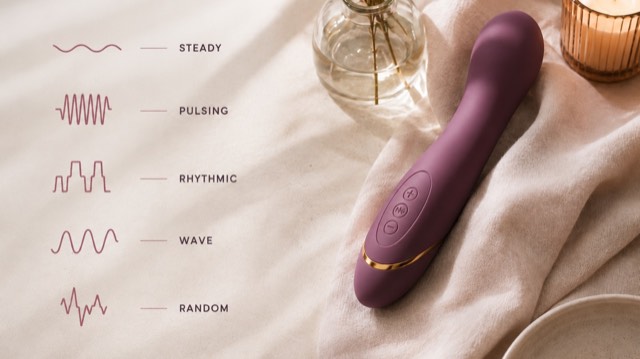
I favor separate, raised buttons for power and intensity over a single button that cycles through every mode. Controls should be reachable while the toy is in position and should not reset to maximum when switched on. An audible click or tactile difference can be useful when sight, dexterity or concentration is limited.
Remote controls and apps can move the controls to a more comfortable hand or to a partner, but they add batteries, pairing and menus. A simple physical remote may be easier than a phone for one person and harder for another. Look for a manual fallback so a lost connection does not make the product unusable.
Hands-free helps only when the fit is stable
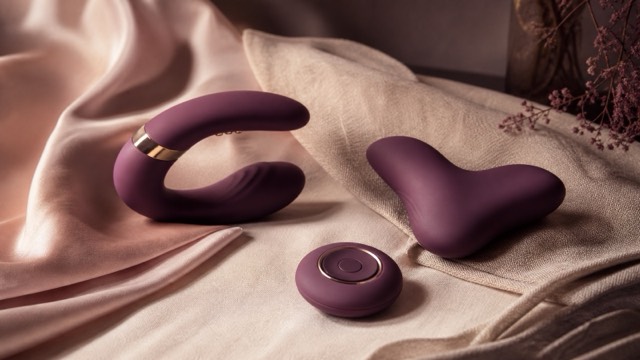
Wearables, panty vibrators and insertable designs can reduce continuous grip, but they still require placement and removal. A rigid fixed curve may stay put for one body and press uncomfortably for another. Adjustable arms and flexible junctions can accommodate more positions, though they may take more effort to shape at the beginning.
If transferring, balance or involuntary movement is part of the picture, choose a setup with an obvious stop control and an uncomplicated way to remove the product. Arrange cushions, lubricant, towels and the remote before starting. Planning the environment is an accessibility tool, not an admission that the product failed.
Build a personal checklist rather than chasing a label
There is no regulated accessible-toy category that can decide this for you. Write down the two demands you most want to reduce—perhaps wrist rotation and precise placement—and the two features you do not want to manage, such as an app or a proprietary charger. That shortlist is more useful than a general promise that a toy is ergonomic.
Return policies for intimate products are often limited, so measurements, button layouts, charging details and customer support deserve extra scrutiny before purchase. If pain, loss of sensation or a recent change in mobility affects sexual activity, a clinician or occupational therapist can help adapt positions and routines. The aim is not to perform around a limitation; it is to design an experience that feels good without unnecessary labor. This guide is general education, not individualized medical advice. Persistent pain, bleeding, numbness or a sudden change that worries you deserves care from a qualified healthcare professional.
Sources
- ISO 3533:2021 sex-toy design and safety standard — International Organization for Standardization
- Defining sexual health — World Health Organization
Reviewed as general accessibility-minded product-selection education. Access needs are individual, and the guide does not replace advice from an occupational therapist or healthcare professional.
Abigail's shortlist
What I'd genuinely point you toward
These aren't here to fill a product rail. Each one illustrates something I've talked about in this guide, and I've included the reason I'd consider it.
- accessibility
- limited mobility
- grip
- reach
- adaptive shopping